
ABOUT
Turning Tables is a dance organization dedicated to expanding access and opportunity for Black and Brown dancers. Through performance, artist development, and community-based programming, the organization supports the advancement of underrepresented artists while working to cultivate greater equity across the dance field. Turning Tables also engages in educational and advocacy-driven initiatives that critically examine and challenge the systemic barriers impacting Black and Brown bodies in the arts.
Founded by Camryn Stafford in 2017 in direct response to discriminatory practices within the dance industry, Turning Tables was created as a platform to both confront and reimagine these inequities. Its inaugural program, A Seat At The Table, remains a cornerstone of the organization’s work. Since its founding, Turning Tables has produced five iterations of A Seat At The Table, providing student choreographers with opportunities to create work centered on themes of underrepresentation, bias, standards, acceptance, and pride.
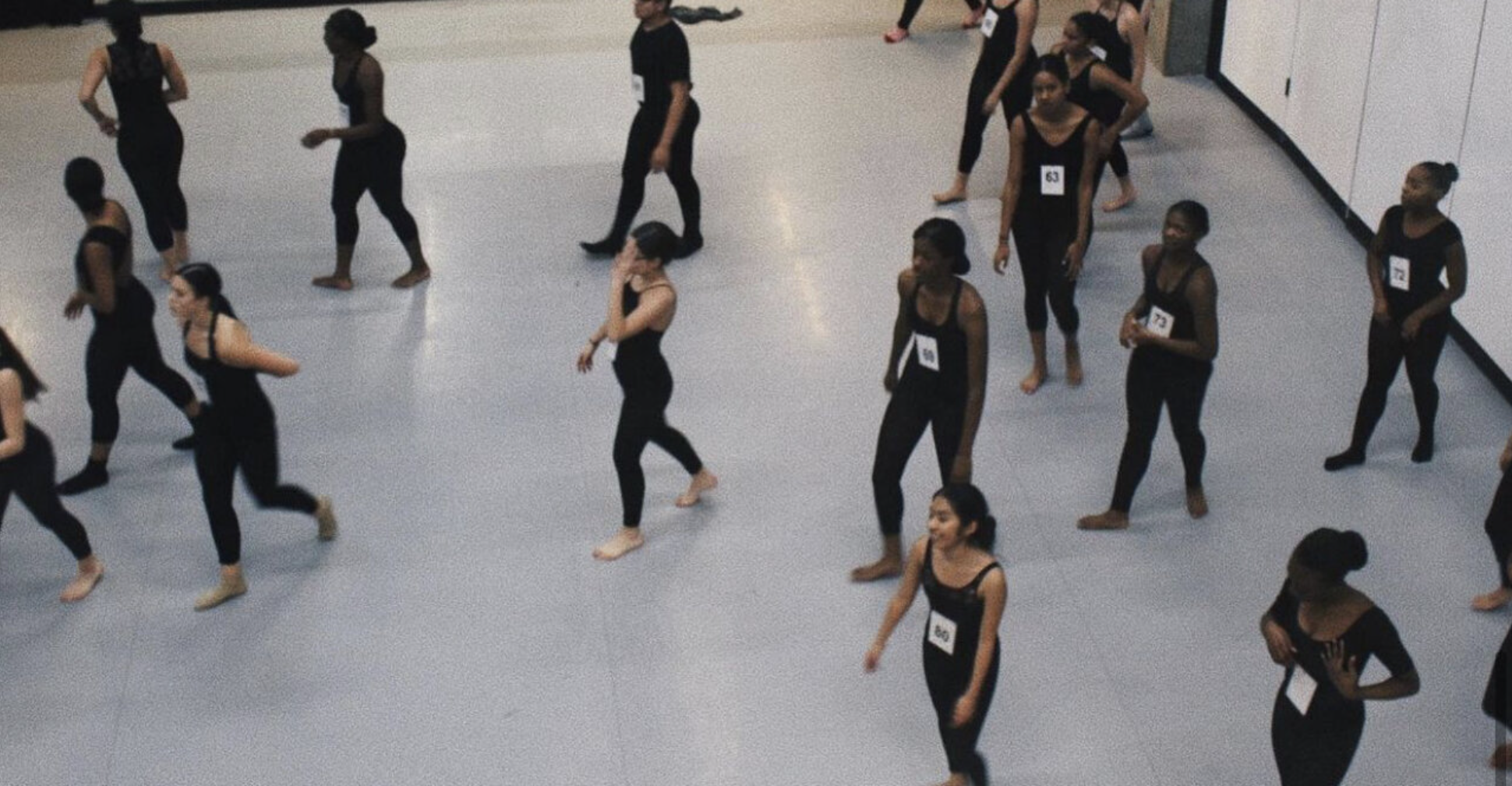
Beyond performance, Turning Tables has expanded its impact through a range of initiatives, including SITT: The Summer Intensive, a ballet outreach program at the Boys & Girls Club of Greater Dallas, PIVOTT dance workshops, a mentorship program led by industry professionals, and over $2,500 awarded in scholarships. Most recently, the organization launched the Open Table Series, a platform for emerging New York City–based choreographers to develop rigorous, embodied work. To date, Turning Tables has engaged over 1,000 audience members, supported more than 200 dancers and performers, and collaborated with 45 choreographers—significantly increasing visibility and opportunity for artists within its community.
I was a new sophomore at Booker T. Washington HSPVA, navigating my place among so many talented dancers and artists. I struggled with feeling overlooked and wanting to prove myself among my peers. As a Black girl, I felt I had to work twice as hard to be cast in pieces or placed in the same technique levels as my peers.
My friends and I often felt responsible for representing all Black dancers, while implicit biases restricted us from fully being seen and valued in the space. Although this wasn’t an issue unique to Booker T., being immersed in an expansive dance community made me aware of the problems that plague the dance world and prevent Black and Brown dancers from succeeding.
Reflecting on the issues I found most prevalent, I created Turning Tables to explore and explain them.
HISTORY

Turning Tables was born with A Seat At The Table as its inaugural event. In its first year, the performance showcased five choreographers’ perspectives on discriminatory issues in the dance world across two performances and welcomed over 100 audience members and 40 dancers. The work was rooted in five core concepts: Underrepresentation, Bias, Standard, Acceptance, and Pride—frameworks that continue to guide the organization today.
Since then, Turning Tables has continued to grow its programming and expand its reach, building on this foundation to support dancers, choreographers, and communities in more expansive ways.
Looking ahead, I hope to continue making space for Black and Brown dancers through Turning Tables, equipping them with the tools, opportunities, and resources to succeed. Through choreographic opportunities, workshops, mentorship programs, and scholarships, Turning Tables aims to further its commitment to supporting artists and addressing inequities within the dance world.
Camryn Stafford
Founder & Executive Artistic Director
What We Do
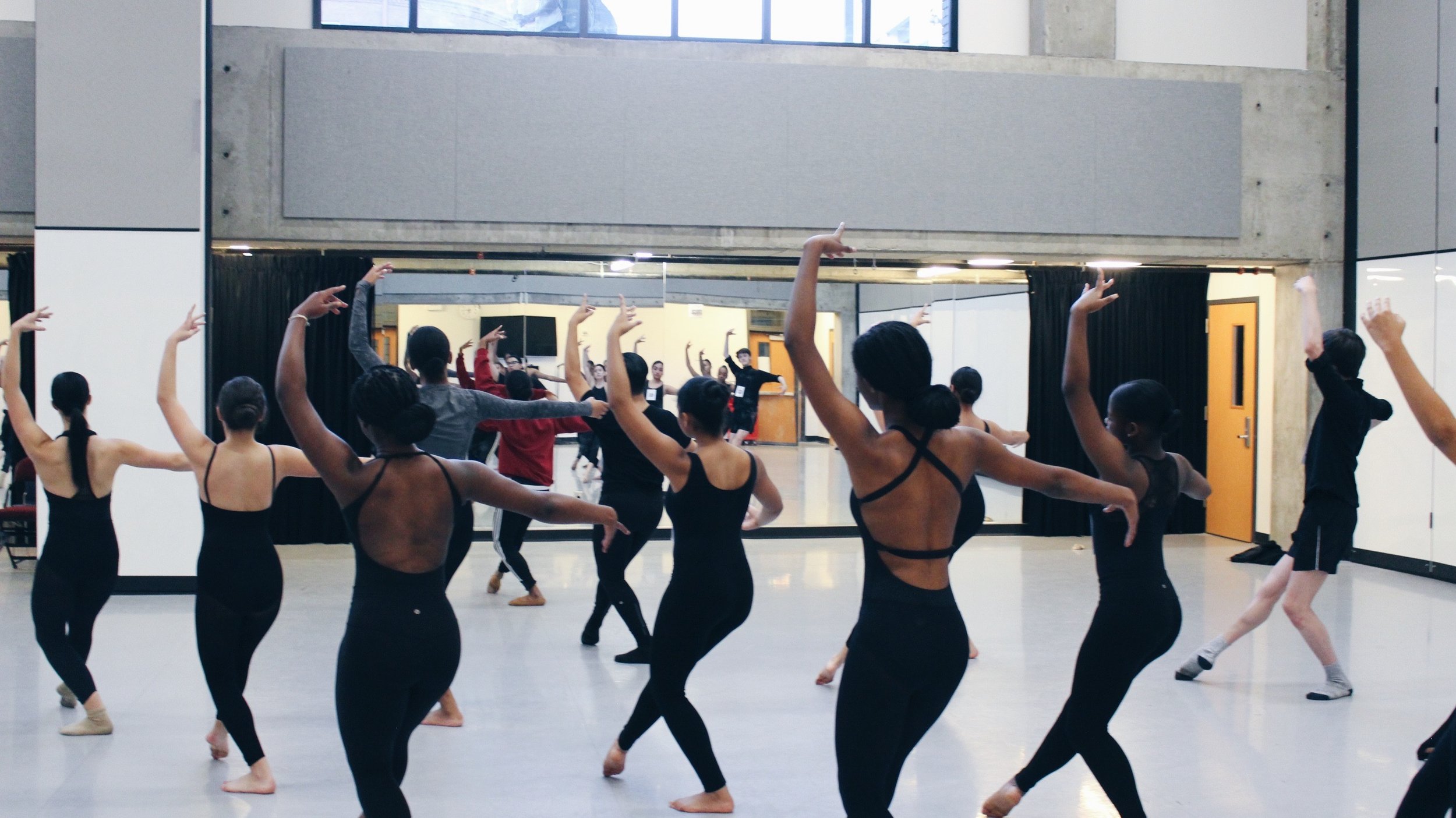
Turning Tables creates space for Black and Brown dancers through outreach, opportunity, collective work, and conversation.
OUTREACH
Through mentorship programs, workshops, networking opportunities, scholarships, and tailored dance programs for deserving communities, we help aspiring dancers navigate the path to success and break down barriers to entry
OPPORTUNITY
A cornerstone of Turning Tables’ work is giving aspiring choreographers a platform to create and share their voices. A Seat At The Table and Open Table Series provide choreographers with space to create, receive feedback, and develop their choreographic skills.
COLLECTIVE
The Turning Tables Collective is the professional extension of Turning Tables’ commitment to educating society about societal issues. Focusing on Black and African American social phenomena and embodied Black knowledge, the collective works to deconstruct and deepen understanding of the world we inhabit.
CONVERSATION
Turning Tables makes space for conversation and discussion, believing that talking and sharing ideas benefits all of us. We hold Q&As with choreographers during performances and with teachers during workshops. Table Talk, an upcoming blog forum, will further these discussions around Black dance and Black culture at large.